



























Some movies expand into epic tales about saving the world, changing the course of history. But Kes is the opposite, asking you to focus on one little kid in a forgotten town trying to lay claim to even one thing in life that feels like his own. It’s a quiet and ordinary coming-of-age film set in the late 1960s and based in a working-class part of Yorkshire, England, following Billy Casper, a young teenager who everyone around him expects to continue the lineage of men before him and find himself down in the coal mines. A predetermined future is set, not because he wants it that way, but because towns like his have limited exits. Billy is small and sleep-deprived, but he is also very curious.
The problem is, Billy isn’t a filmic hero who’s just waiting to be found. He awkwardly fumbles through conversations. He doesn’t hustle toward a grand dream. He steals milk bottles for breakfast. He trudges down school hallways, anticipating getting punched in the face at any moment. People misunderstand him before he can even muster up the words needed to clarify himself. Essentially, his life has been established by everyone else.
Until he finds a wild hawk.
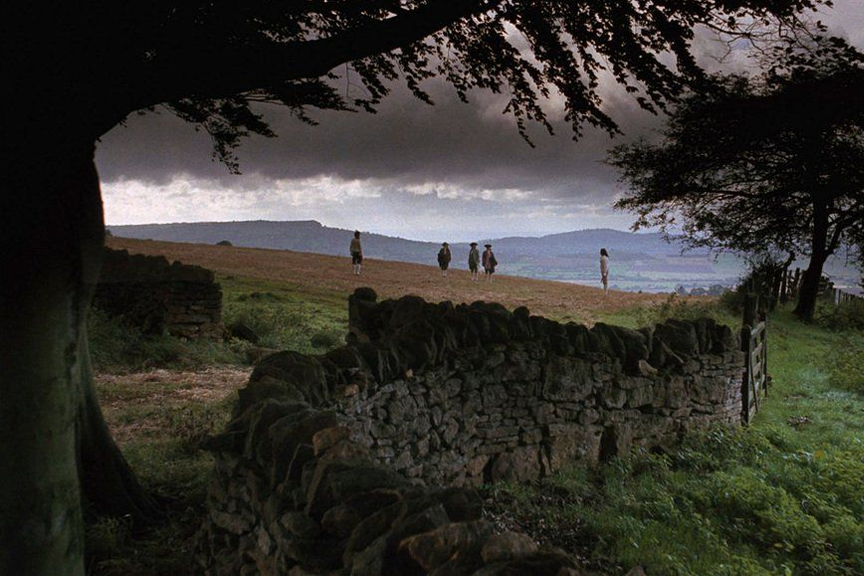
Billy finds a kestrel and raises it. And for once in his life, he loves something without ownership. You see him bring this bird into his world, and suddenly it’s like he’s stepping into the skin he’s always meant to be in as the tension in his shoulders dissipates, his voice dulls, and his eyes light up. His confidence has nothing to do with cheers. But what ultimately sells the film is the frankness about growing up in a town with few prospects. You almost feel the burden of Billy’s setting. The mining town is a bit of a miserable place to be, not in a social realism, dirty film kind of way, but almost in a way that it causes your lower back to ache just by looking at it. The terraced houses line the road, all within a specific geometry that there’s no escaping from. The school is more of a means of production than a place of learning for children with dreams, as it prepares them for the same lives as their parents lived. Loach captures everything as if he just keeps a camera on life and lets it happen. There’s nothing forced or over-polished. The vernacular is true. Children spar the way children do in playful sparring. Teachers yell commands not because they are villains but because that’s their communicative style. Even humor works in silence in sequences far too recognizable to anyone who’s gotten through middle school.
Billy’s relationship with Kes becomes the spark that pushes the movie from a simple plot into something deeper. When he trains the hawk, he shows precision and patience that no teacher has ever seen from him. The strongest moment might be when Mr. Farthing, one of the only staff members who actually cares, asks Billy to talk about Kes in front of the class. Billy lights up. His words come out sharp and confident. For the first time, you watch the room stop and actually listen to him. The look on his face is almost surprised. As if even he didn’t know he could speak like that. Scenes like that land because the movie never turns Billy into a poster child. He’s not saved by education. He’s not saved by sports or talent scouts. He’s a kid who discovers a small joy and clings to it with both hands. Kes isn’t magical. The hawk doesn’t whisk him away from his problems. That’s the point. Sometimes the most life-changing thing isn’t winning. It’s just finding something that makes you feel like you’re not a lost cause.
The adults in Billy’s life treat him like a problem that needs containment rather than a person with potential. His brother, Jud, is the clearest example. Jud works in the mines and carries a storm of resentment everywhere he goes. He sees Billy’s bird as childish nonsense. Their relationship isn’t lovingly complicated like a Hollywood drama. It’s raw and painful, shaped by years of being told you don’t matter unless you bring home a paycheck. When cruel things happen in this movie, they hurt more because they feel like things that really happen. You’re never given a moment that lets you sit back and say, Well, that’s just storytelling. Every bruise, every insult, every door slammed in Billy’s face feels like it’s been pulled from someone’s memory.
Watching Kes today, you start thinking about how many kids like Billy exist right now. Kids who get labeled early. Kids who are never asked what they want. Kids who don’t get celebrated for anything they’re good at because no one bothers to look. The film’s message doesn’t shout. It doesn’t hand you a slogan. It simply shows the quiet emergency of being young in a place where your dreams are treated like wastepaper. There’s a reason critics still talk about Kes more than 50 years after it came out. It’s not nostalgia. It’s because the movie never tried to look timeless. It just told the truth. Coming of age isn’t always about first love or finding a new group of friends who get you. Sometimes it’s about fighting not to disappear inside other people’s expectations. That fight can be tiring and lonely, and unfair. But it matters.
Billy’s time with Kes offers him something he’s starved for. Not successful. Not escape. Dignity. This bird gives him a version of himself he didn’t know he had. Someone capable. Someone gentle. Someone with passion. He doesn’t become a different person. He becomes the person he already was, but never got the chance to show. Some movies try to inspire you with big speeches and big victories. Kes inspires you by asking a quieter question. What does a kid need to simply stay themselves? Support. Opportunity. Someone to notice when they’re trying. A tiny crack of space to breathe. Love that doesn’t arrive with conditions. That list isn’t very long, but missing any piece of it can change a life.
When the credits roll, you’re left sitting with this mix of anger and admiration. Anger at the world that corners kids like Billy before they have a chance. Admiration for the way he protects that one bright thing in his life. It doesn’t matter that his victories are small. They count. They’re real. And that alone makes them powerful. Kes shows us that no matter how rough a childhood can be, there are always moments of effortless grace. A bird rests on a boy’s forearm. A fleeting smile from someone who’s long been unnoticed. A freedom that exists for a few seconds but lasts a lifetime in memory. Not every child has a chance to create their destiny. But every child deserves at least one second to look at themselves and be proud. The film provides this for Billy. And when it plays out, you inevitably find yourself by his side, rooting for a kid who never asks for more than the right to hold onto everything that makes life worth living.
