


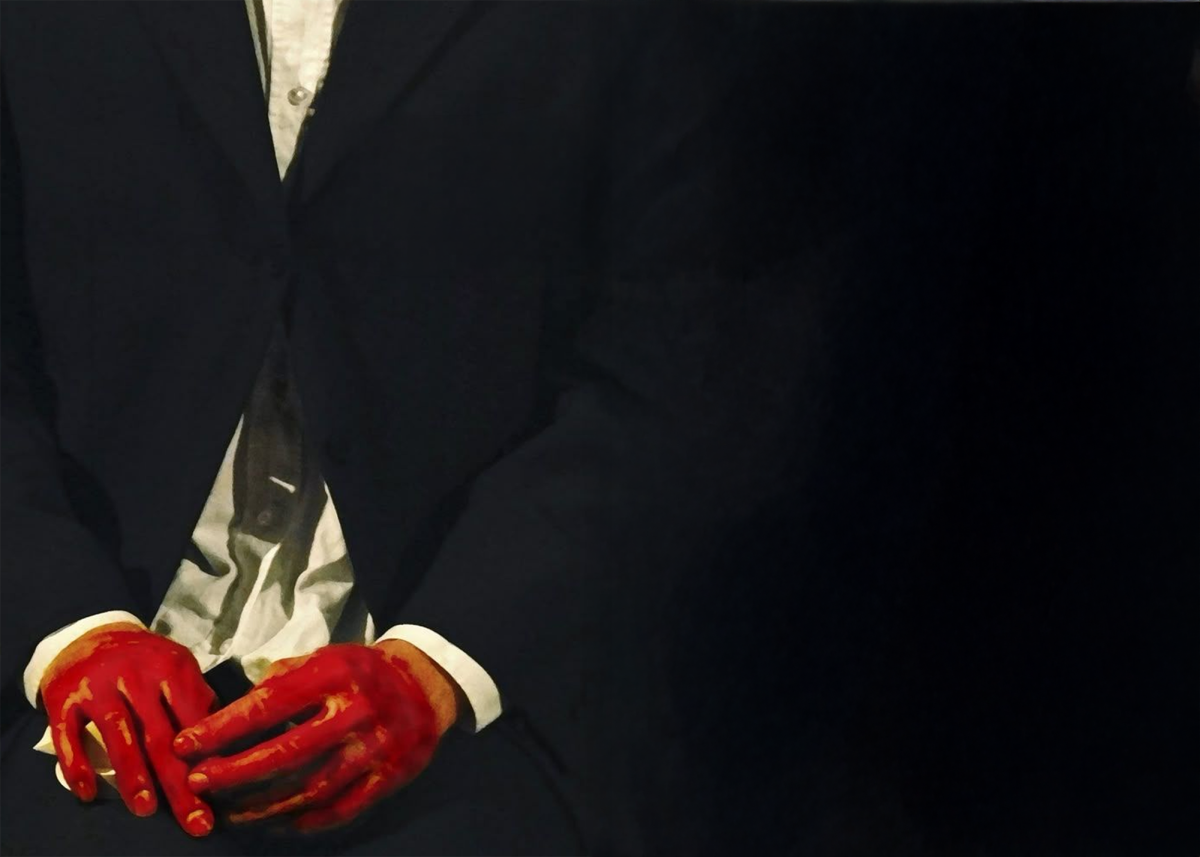













Humans tend to break down the categories of art and thought into separate systems, as if football, film, philosophy, or music existed in different ways. But beneath them lies only the same movement, that of a force trying to manifest itself. EXPRESSION is not simply communication, performance, or identity, but rather the fundamental process beneath all art, thought, and human activity in which emotions, ideas, and internal pressures can no longer be contained and are forced out into EXPRESSION.
There comes a point at which categories are no longer boundaries, but reveal themselves as fictions. Philosophy, football, cinema, painting, music, architecture, they may be seen as distinct spheres of knowledge, with distinct ends, but underlying all of them is the same impetus channeled through different media.
Born in 470 BCE, Socrates was a philosopher from Athens who knew this EXPRESSION through language. His philosophy never sought certainty, but sought to demonstrate how much it already inherently lacked it. Each question further destabilized the belief that thought could ever truly understand itself, making philosophy under Socrates a mode of EXPRESSION via inquiry, a means for thought to push against itself until contradictions broke through the surface. EXPRESSION here is not certain. EXPRESSION is tension revealing itself in inquiry.
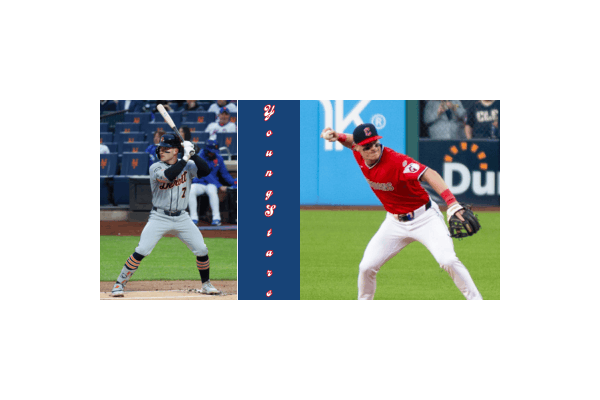
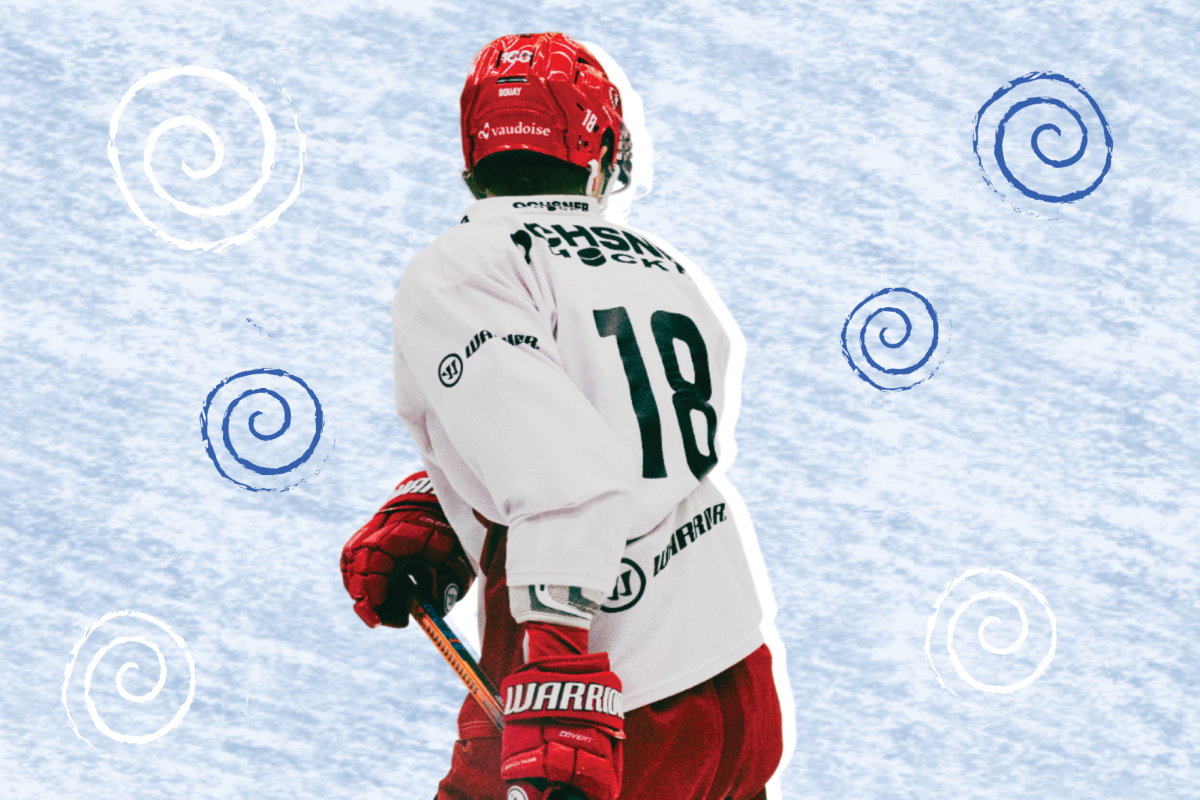
We see that same force manifest in the flesh in Socrates, but through a different set of media entirely. He refused to be split into athlete and citizen, sport and politics, performance and belief. The slogans on his headbands are not accessories to his play but part of its logical extension. The football pitch was not an escape from his reality, but another place where his reality expressed itself. The way he moved in it carried the same integrity as his politics; it was an EXPRESSION through absolute transparency in terms of the integrated integrity of a self under observation.
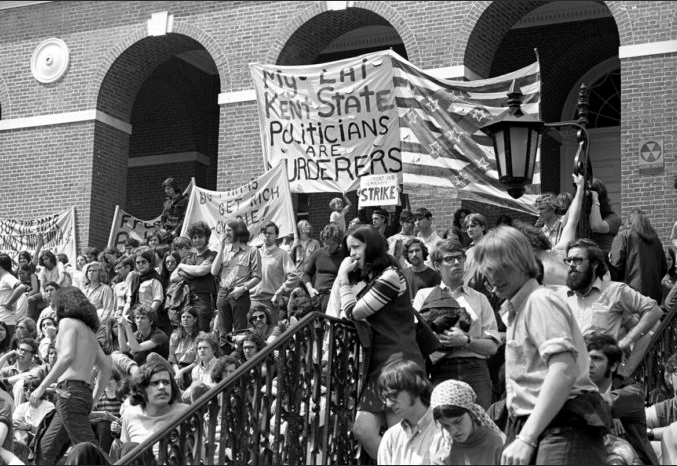
On the contrary, Friedrich Nietzsche demonstrated EXPRESSION through its disintegration. “God is dead. God remains dead. And we have killed him.” was not merely a theological event but a cultural one. The universe ceased to be overseen. We were suddenly presented with the frightening possibility that not all value was given by God, but constituted by belief. What is frightening to Nietzsche is not that God is dead, but that his death did not create nothingness; it generated contradiction. People have become performers of morals, believers of ideology and virtue, and politics and personal identity. They appear to do all this, but internally do not.
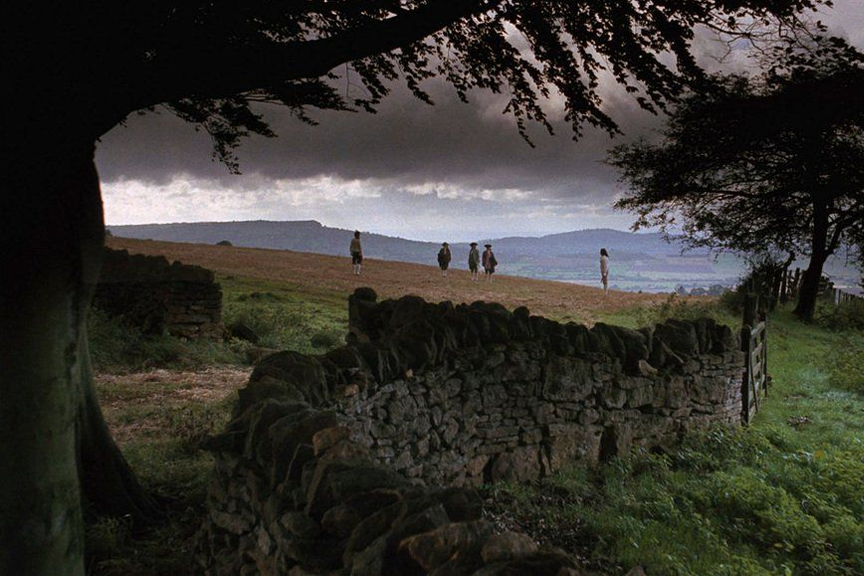
Cinema had initially resisted this through the expressive potential of images, Alfred Hitchcock’s belief that speech in films should be “among the last things to be considered” because film “should not be the same as conversation put on film”. Images, cinema’s fundamental form, conveyed meaning through their composition, movement, color, and sound. David Lynch takes this even further in refusing any one interpretation of his film, arguing that however we perceived it happened actually did. It trusted in ambiguity; in the image to speak its own language. Today, films fear uncertainty and are filled with dialogue-driven plot exposition. They have become a photographic conversation rather than an expressive image.
Painting achieves EXPRESSION through a subjective representation. Vincent van Gogh’s work is not merely an image of his perception, but a demonstration of perception under intense psychic strain. His Starry Night and other works become images where the physical world appears to bend in with emotion. Sky is vibrated, landscapes turned inward onto the psyche, and perception is turned into raw sensation. EXPRESSION is no longer controllable and mediated through artistic representation but is raw emotion bleeding into visibility.
Music covers perhaps the widest spectrum of EXPRESSION as its range extends from pure psychic interiority to aggressive externalization. Death Grips are at one end of this spectrum with a combination of distorted vocals, mechanical beats, overload of sound and repetition, music which appears to be not so much composed music but psychic energy bursting through technology, a representation of our hyper-connected world. On the other hand, we have the control and refinement of Wolfgang Amadeus Mozart, where EXPRESSION can bloom easily from a complex yet stable structure, and music where emotion is carried by means of order.
Architecture imposes EXPRESSION by constructing the spaces of our world. Every building and every city is a projection of ideologies, morals, and hopes onto space and form. It constructs our space in the first place, but not in any neutral way. It forces particular behaviors, emotions, and movements.
Across all these areas, the same paradigm has been laid bare. EXPRESSION is neither the believed certainty of the subject, nor what one presents to the world; instead, it is that part of the self which cannot be contained and which erupts outward, whether in sincerity, contradiction, or performative irony, revealing the discrepancy between what is represented and what is perceived. The difference between a belief and a practice. The form remains elusive and changeable, but the force that drives EXPRESSION, which makes it unavoidable, continues ever onward.