










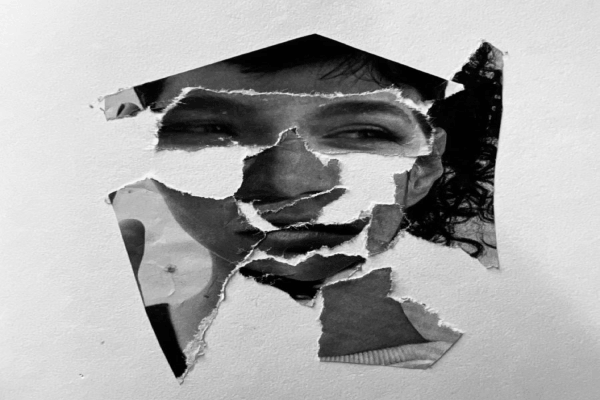
You don’t know them like that, and they don’t know you. With growing social media platforms, boundaries between public figures and individuals have been rapidly decreasing. Social media platforms, livestreams, and the mix of short-form and long-form content have created a sense of closeness between audiences and creators that seems deeply personal, when in reality, it isn’t. This is an example of a parasocial relationship, a one-sided emotional relationship in which an individual feels like they have a strong connection to someone who, a lot of the time, didn’t know existed. Though it doesn’t seem harmful, parasocial relationships have evolved into something more difficult and troubling within social media culture.
The concept of parasocial relationships originated in 1956 with sociologists Donald Horton and R. Richard Wohl when audiences grew attachments to television personalities. Unfortunately, today’s version is more common and enticing. Unlike traditional celebrities, modern social media creators are more likely to share intimate details of their lives with their daily routine, personal struggles, relationships, unfiltered thoughts, and sometimes even where they’re currently staying. The amount of shared information nurtures the sense of familiarity for a handful of people. Audiences could begin to feel as if they “know” the creator personally, and, in rare cases, believe that the content is directly communicating to them.
The illusion of familiarity is strongly reinforced by social media platform designs. App features like comments, likes, direct messaging, and live stream chats contribute the most to parasocial relationships because they allow the audience to interact and get an interaction from the creator back. Even if it’s simply a liked comment or a comment response, it can deepen the idea that the creator is emotionally connected to the person. It’s the possibility that regular audiences can over time shift their perspective of the creator and view them as a friend.
While parasocial relationships can provide a sense of comfort, inspiration, and a sense of belonging to people, it also causes risks to not only the creator but also to the person. One major concern is a large amount of emotional investments. When people heavily rely on these one-sided relationships, they can start neglecting real in-person relationships and be in social isolation. Emotional distress is another factor of parasocial relationships, with the possibility that the creator does something unexpected and disappointing, the person can feel like their close friend betrayed them. It can also come to the point of stalking and harassment.
More issues lie in how parasocialism can influence collective behavior through the audience. There are hundreds of accounts that build communities around certain creators and can create a strong group identity of both the creator and their audience. A lot of the time, it can lead to having defensive or hostile reactions toward criticism of the creator. This can be harassing another creator for pointing out problematic tendencies of another, leaving bad reviews at a place based on what the creators say about it without the full story, and bullying someone off the internet. The illusion of a personal bond increases the sense of trust, ultimately making the audience more comfortably influenced.
Though concerns about parasocial relationships are high, it’s important to be able to point out healthy emotional attachments and parasocial attachments. People can feel inspired and moved by a creator and feel emotionally connected without crossing the line. For example, appreciating a person’s art, personality, values, or content can have a genuine sense of admiration and comfort. It’s more caring about the creator’s work rather than insisting that you know them on a deeper level based on the image they show on social media and the content they produce. Having a healthier relationship with media creators starts by understanding that online engagement and real-world relationships are what create a boundary.
At the end of the day, parasocialism reflects the desire for connection that is naturally coded in our systems. It’s common that people seek relationships and belonging on social media, but when that desire changes into the belief that a one-sided connection is personal, it can distort the idea of reality and perception. Recognizing the difference between viewer enjoyment and parasocial enjoyment can affect how people take in content without losing the idea of what is real and mutual. Parasocial relationships aren’t immediately harmful, but they still require awareness and balance. It’s best to remind yourself that you don’t know the real person behind the screen.